Community colleges can be strategic stepping stones to support students.
Your child's IEP or 504 plan won't automatically transfer.
Most colleges have a disability services office to support students.
Financial aid options can include scholarships and educational benefits for students with special circumstances and abilities.
Postsecondary Education
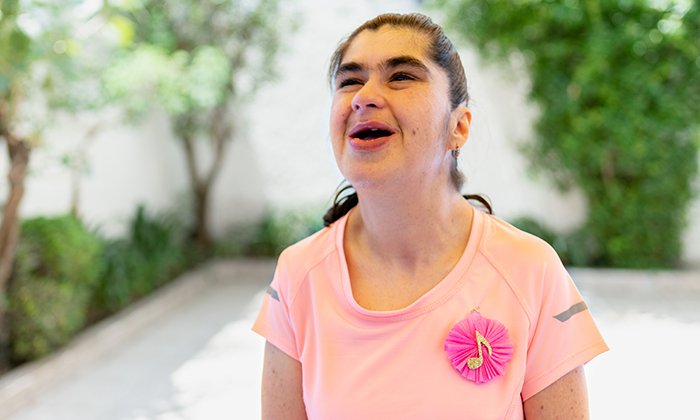
Postsecondary education means any education or training that happens after high school. To help your child prepare for future opportunities, set high expectations for postsecondary education or training. Classic choices include two- and four-year degree programs. Depending on your child's interests and abilities, other options include certificate programs, apprenticeships and inclusive higher education programs.
As you explore these educational pathways, consider your child's strengths and ambitions - and which environments are most likely to foster success. Support from teachers, counselors and mentors can play a vial role in navigating available opportunities.
Key things to know:

In this section, learn about education and training options after high school:
-
Get familiar with postsecondary education and training options
There are many types of postsecondary education and training programs available for people with various abilities.
-
Understand accommodations and supports
In a postsecondary or training environment, your child will need to ask for accommodations.
-
Learn about financial aid options
College costs can feel overwhelming, but financial aid options exist for students with disabilities.

 Chat
Chat 1-866-333-2466
 Email
Email