Skip to content

Explore strengths, interests and goals

Employment should be rooted in what your child wants to do. Together with your child’s support team, set work as a goal and use your child’s strengths and interests to guide conversations about future career opportunities.

Exploring interests and strengths through meaningful work experiences

Meaningful work experiences in high school are a strong predictor of employment success as an adult. The key is meaningful—in the community, doing or learning about actual tasks required for a specific job, and related to your child's interests.

These experiences may include:

  • Paid entry-level job: If your child is ready, they can start working without waiting for employment services to find a job. Options might include entry-level positions in retail, food service, childcare or landscaping.

  • Internships: Your child can have hands-on experience within a company (paid or not) for a set period of time. Internships can build skills and increase networking opportunities for future jobs.

  • Volunteering: Your child can participate in volunteer activities to gain experience, discover strengths and talents, and make connections. For example, they may volunteer to work with animals, at a food shelf or in a nursing home.

  • Job shadowing: Your child can observe someone doing work that might be of interest. For example, they might follow a shipping manager in a warehouse or a caterer in the kitchen.

  • Informational interviews: Your child can meet with an employer or key staff member to ask specific questions about a specific business, industry or job.

Having a paid job in high school can make a big difference in your child’s future. Research shows that teens who work are more likely to find and keep jobs as adults—and often enjoy better job stability, higher wages, and stronger career growth.

Ways to support your child in exploring their interests, strengths and goals for employment

Summary statement here.

Talk about work

Start career conversations at home by asking your child about what they might be interested in doing for work. Share Disability Hub MN's youth and work page with your child to help start the conversation.

Take a career interest survey

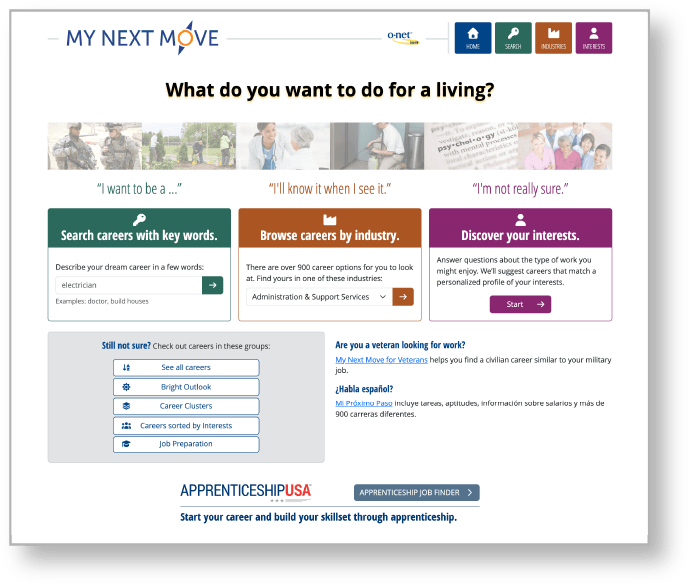
Help your child complete an online career interest tool to identify jobs for them to explore. The My Next Move tool asks questions about activities they like to do and then matches them to job possibilities.

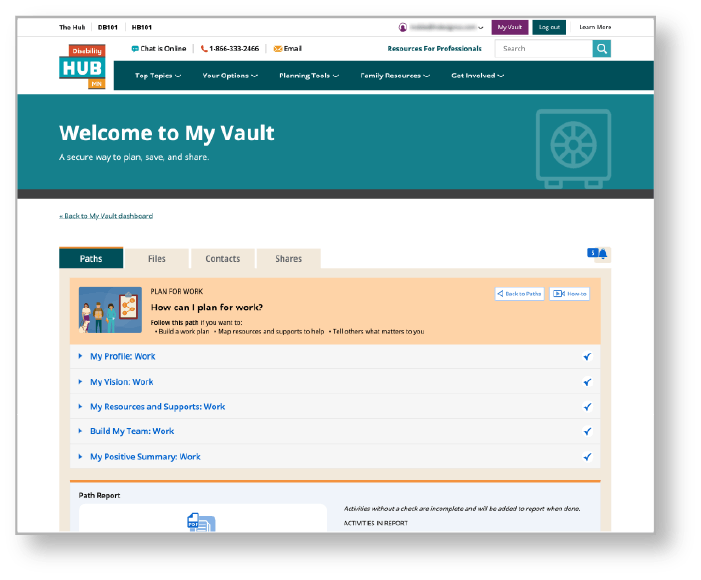
Disability Hub MN's My Vault tool can help youth explore and build a plan for work, map resources, and tell others what matters to them in a job or career.

My Vault's work path can help youth create identify what they want and don't want in a job or career, and identify the steps to get there. A My Vault account is a secure way to explore planning activities, tools and more.

School-based experiences

Work-based learning programs through Minnesota high schools give students a chance to learn about jobs by doing real work in the community. These experiences help students explore careers, build job skills and understand what it is like to have a job. Contact your child's IEP case manager, high school counselor or career and technical education department for more information.

VRS and SSB services

Minnesota's Vocational Rehabilitation Services (VRS) and State Services for the Blind (SSB) may also support and provide work-based learning experiences when school work-based learning services aren't available or don't fully meet your child's needs. Contact the VRS counselor assigned to your child's school and ask what work-based learning programming is available. If your child is blind, low vision, or DeafBlind, contact the SSB Transition Specialist instead.

Learn more about employment services and supports »

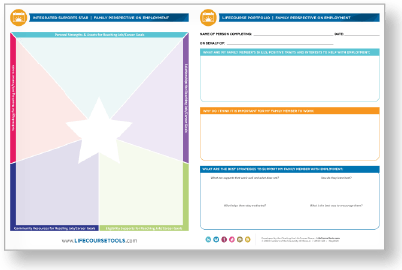
Use Charting the LifeCourse's Portfolio for Family Perspective on Employment (PDF) to help you explore the role employment can play in your child's life. It combines several Charting the LifeCourse tools into a single resource.

Learn more about Charting the LifeCourse »

Chat, call or email the Hub.

At the Hub, there’s no such thing as a wrong question. We're here to help. Contact us Monday to Friday, 8:30 am to 5 pm.